

Social Engineering and AI-Speed Attacks, with a Threat Intelligence Founder and CTO
Attackers still get in through people doing their jobs. AI just makes the request harder to spot.
Attackers still get in through people doing their jobs. AI just makes the request harder to spot.
Plant networks trust anyone who gets past the firewall. A valid login still says nothing about who is on the other side.
Get past the network and the application, and in many cases you can read all the data. Encrypt the data itself, and whoever takes it gets only ciphertext.
No CISO believes they will be breached next week. That expectation is exactly the miscalculation.
A former cybercrime prosecutor turned Big Tech CSO on attribution, how far a company can legally push back, and the exposure leaders now carry
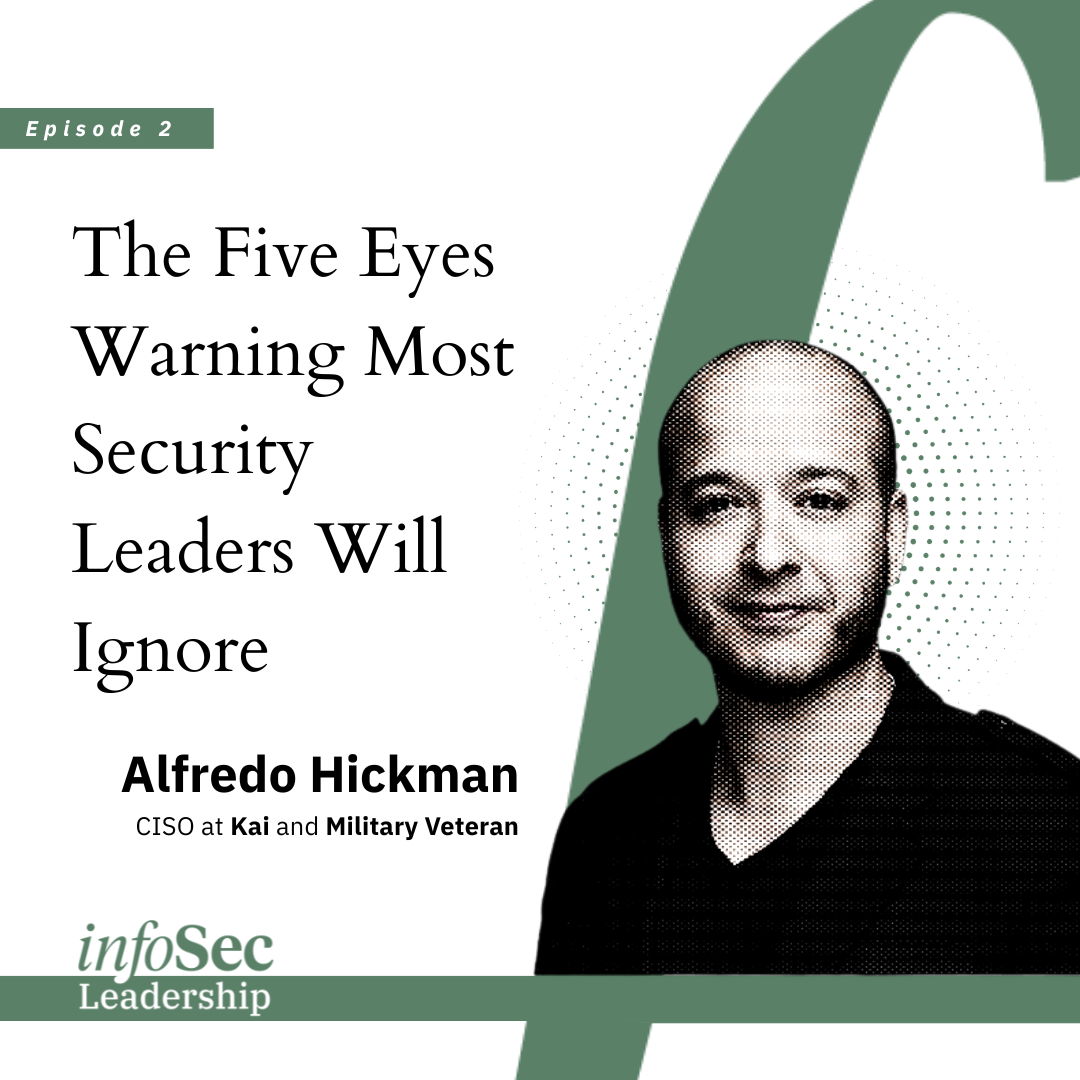
AI is no longer a future risk but a present operational reality that is changing the fundamental economics of cyberattacks. As the recent joint warning from the Five Eyes alliance makes clear, the timeline for AI driven cyber threats has accelerated into a matter of months, not years.
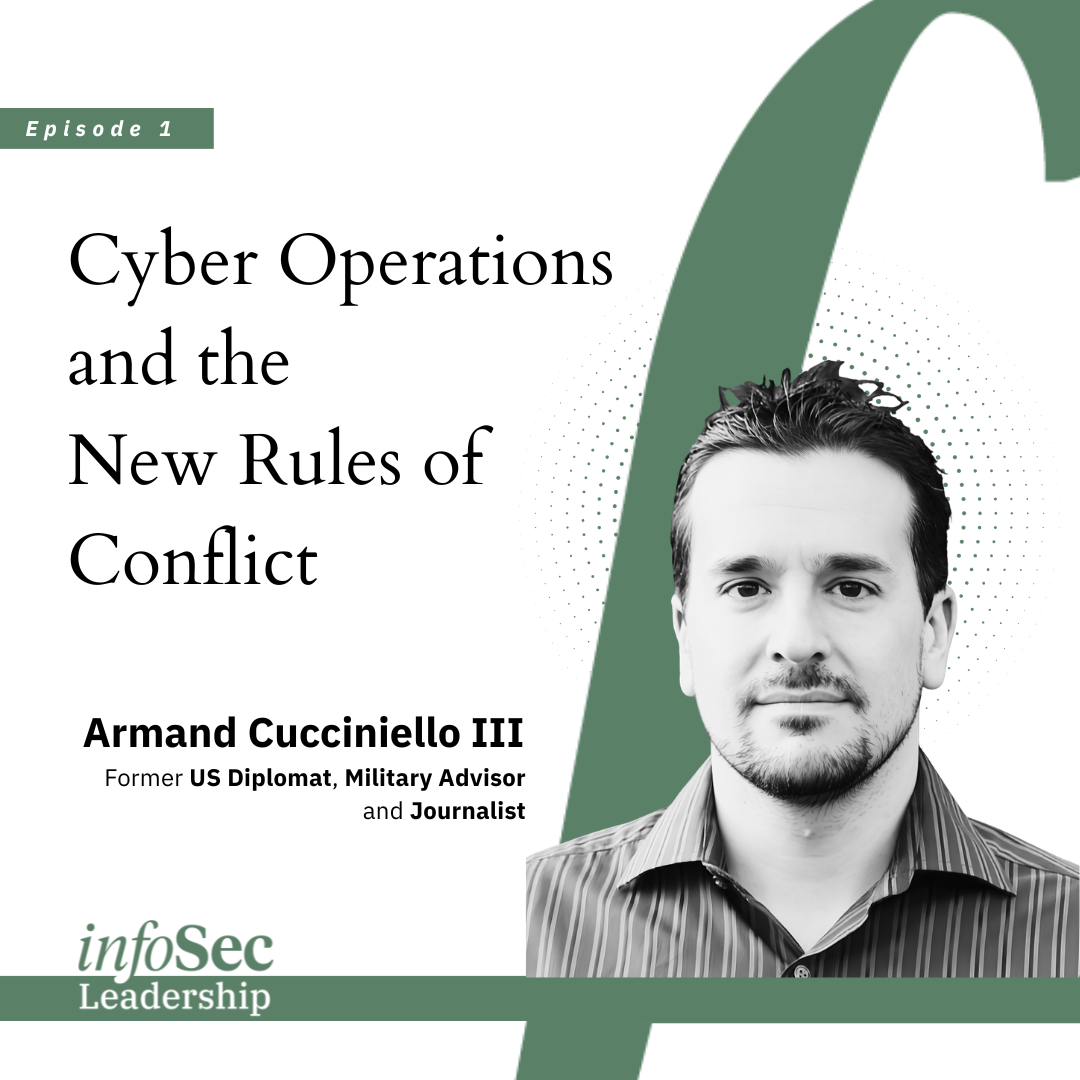
A state can now signal resolve, coerce a rival, or degrade an adversary's military capability without firing a physical weapon. Cybersecurity and diplomacy used to run in separate lanes, and that separation no longer holds.
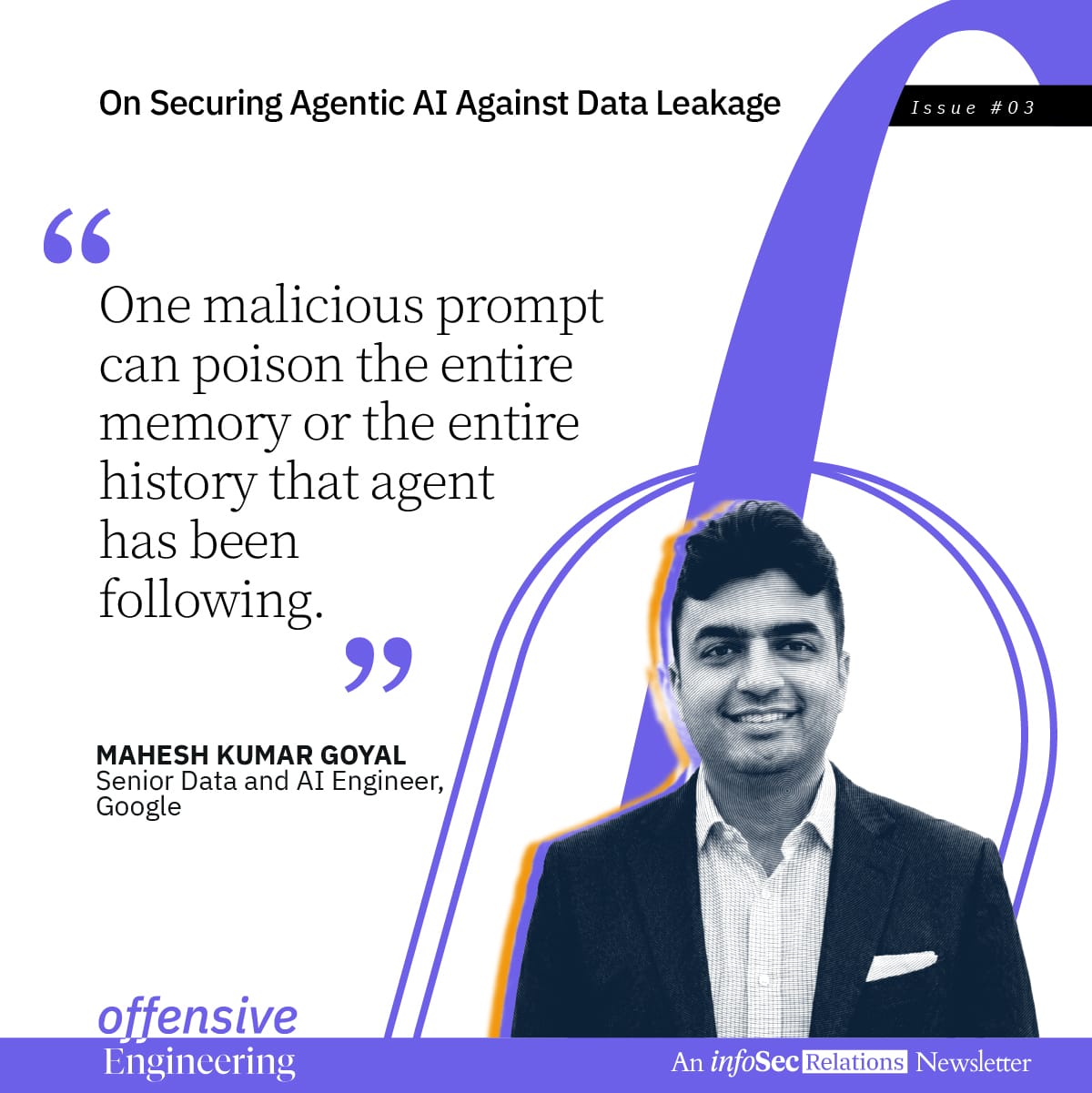
The security frameworks we built over forty years assume that some is behind the action. But agents break that assumption, and most enterprises haven't caught up.
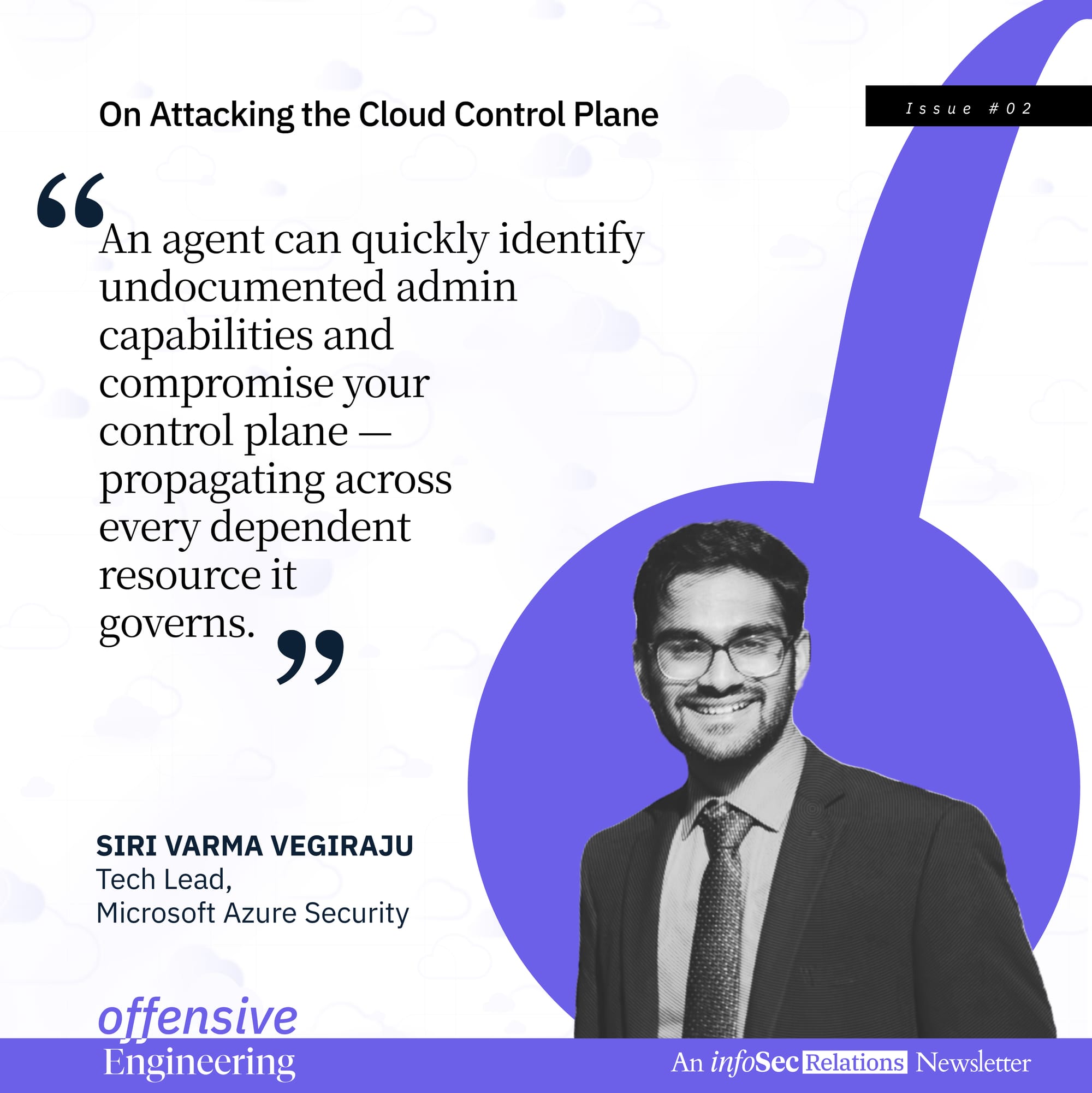
Fifty to sixty percent of cloud breaches start on a secondary account. And then the control plane shows the attacker exactly where to go next.