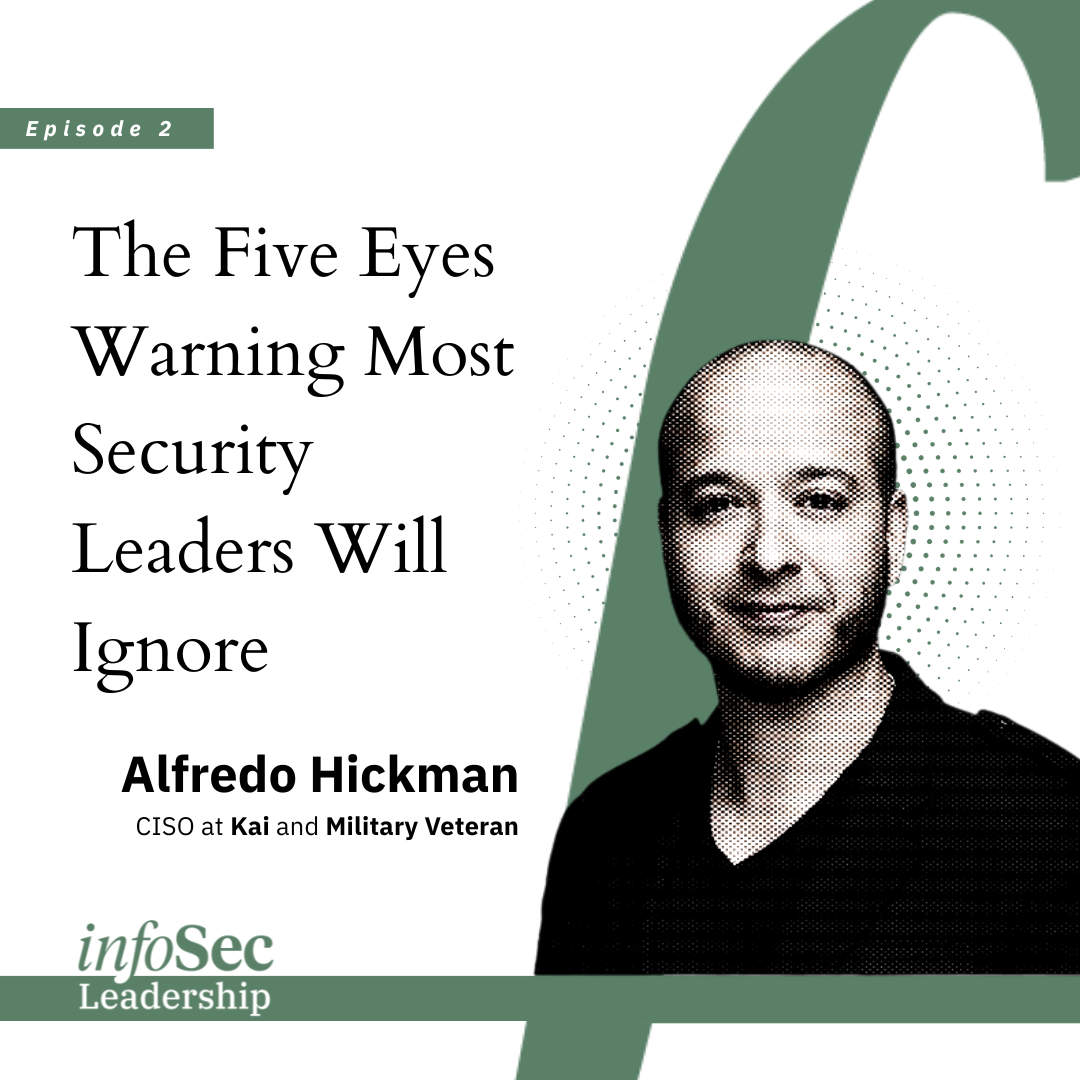
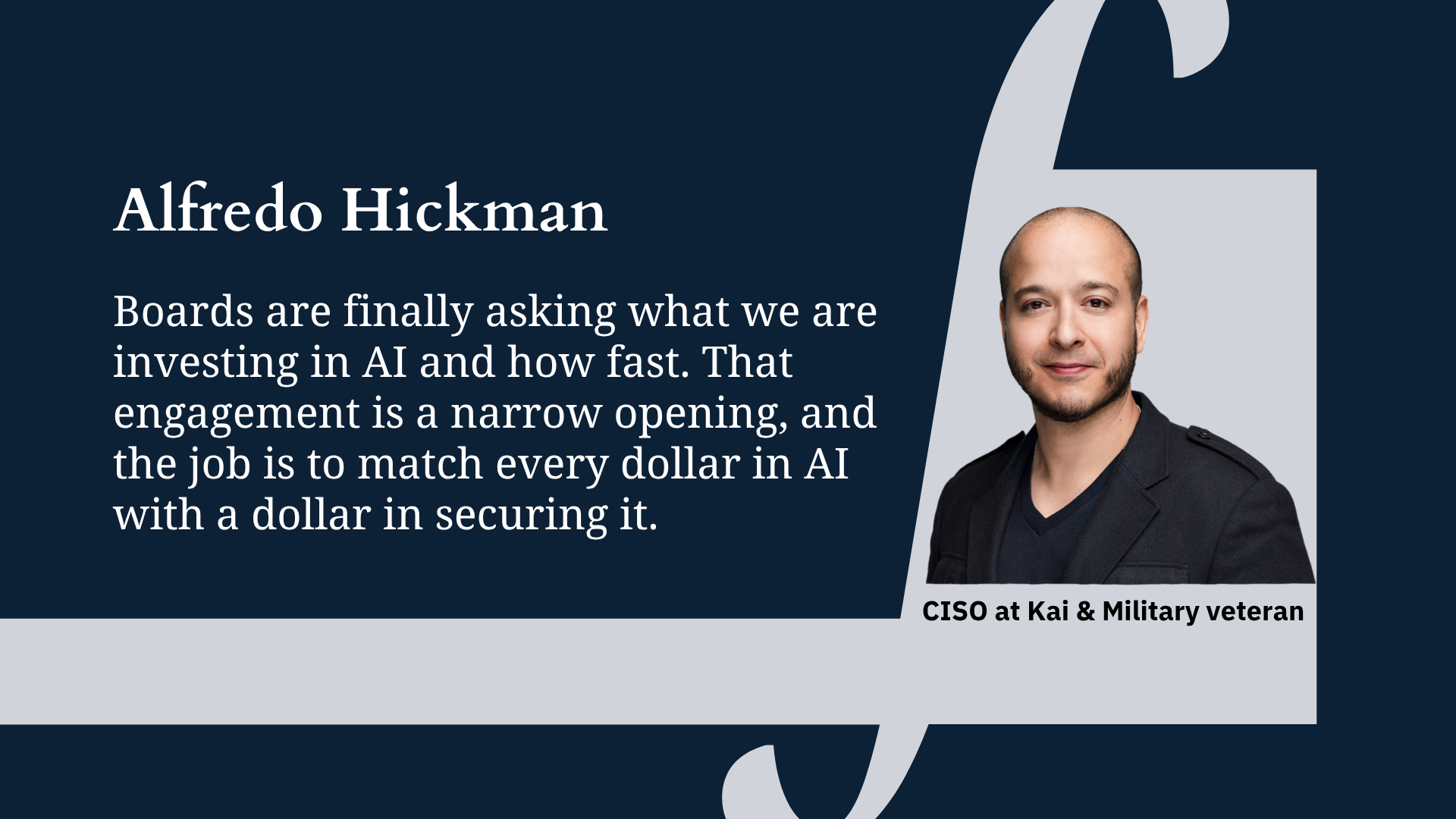
AI is no longer a future risk but a present operational reality that is changing the fundamental economics of cyberattacks. As the recent joint warning from the Five Eyes alliance makes clear, the timeline for AI driven cyber threats has accelerated into a matter of months, not years.
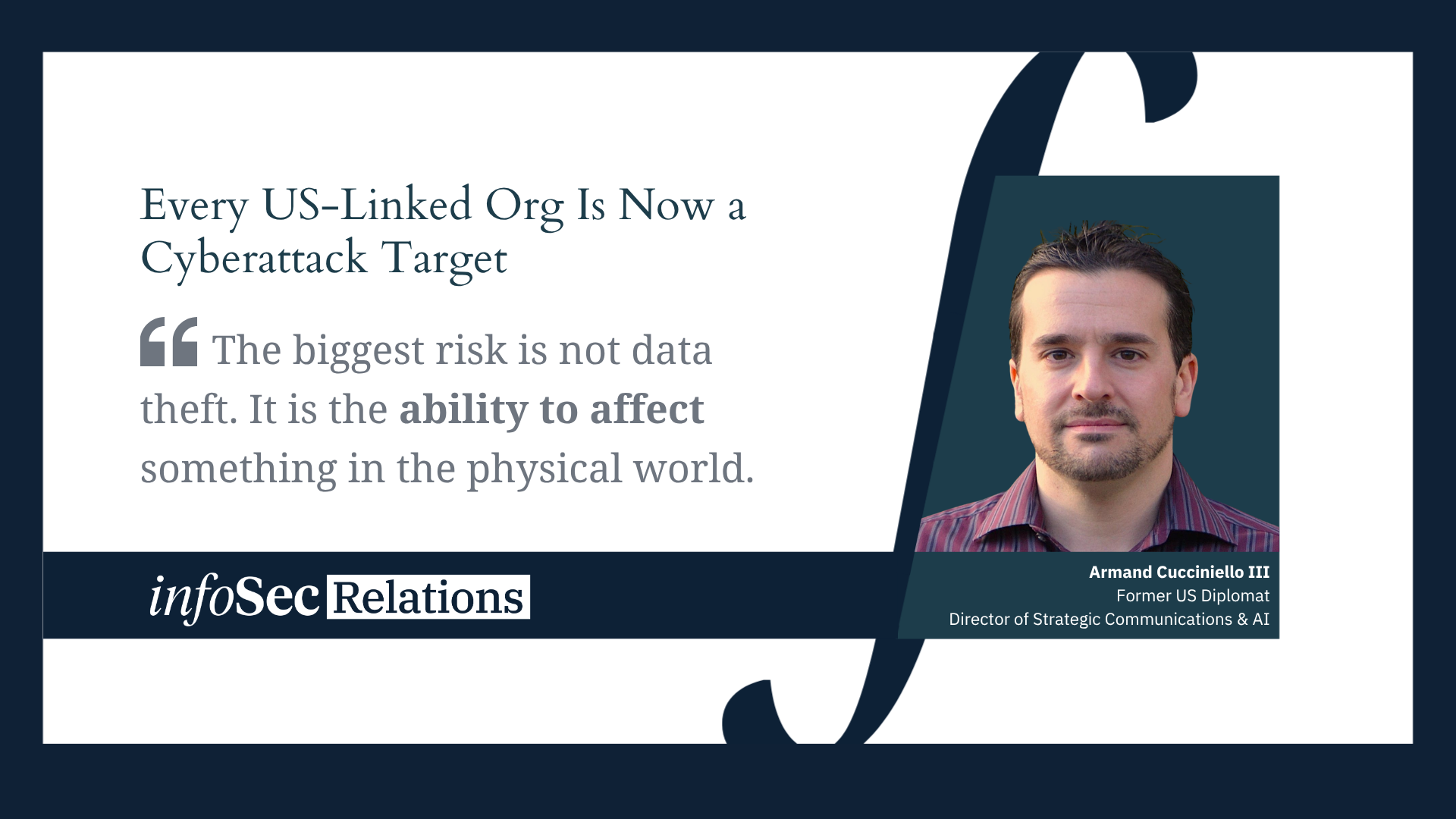
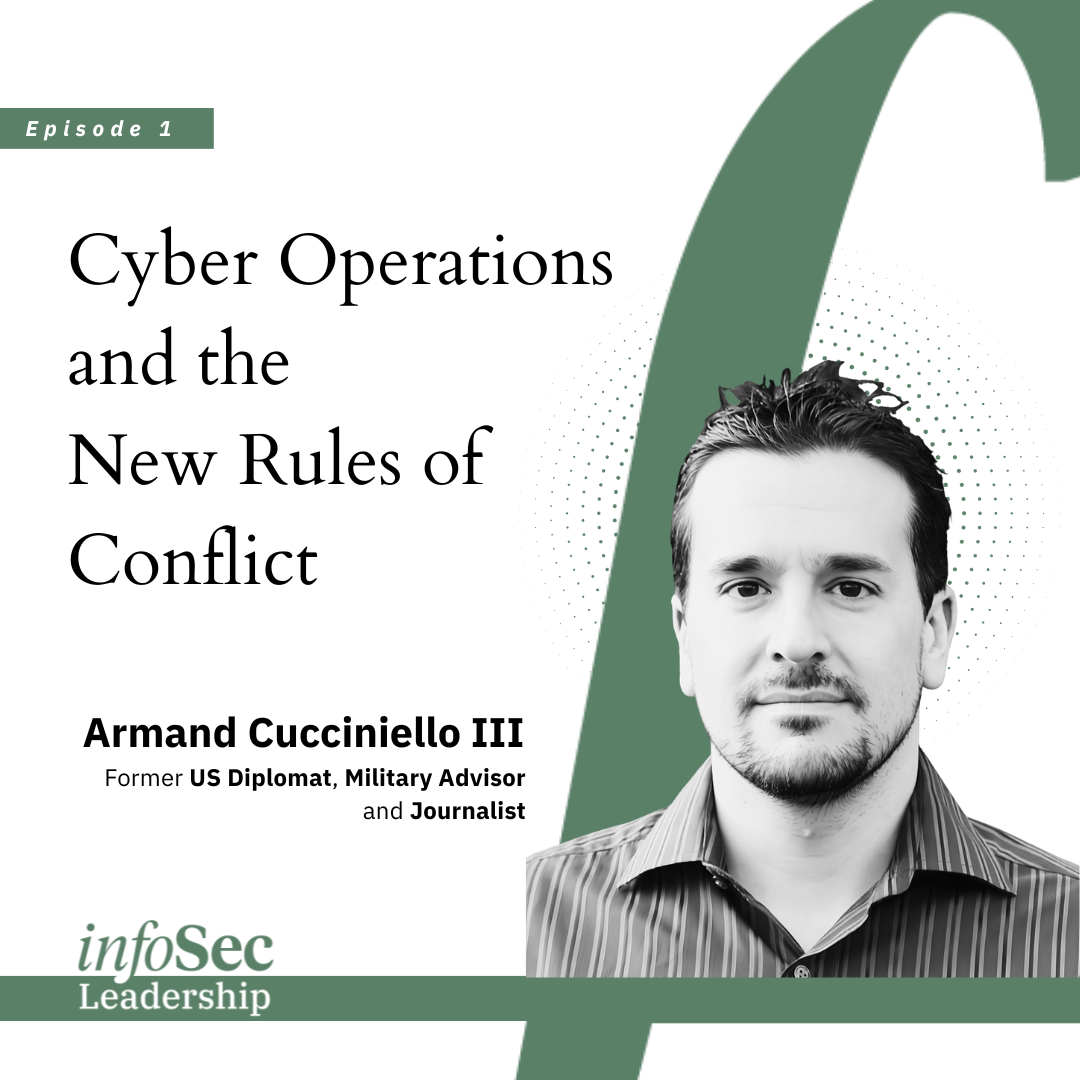
A state can now signal resolve, coerce a rival, or degrade an adversary's military capability without firing a physical weapon. Cybersecurity and diplomacy used to run in separate lanes, and that separation no longer holds.
Rules written specifically for AI agents remain unfinished in both the US and the EU. But the access-control rules examiners already enforce cover agents today, and engineering teams can meet them now.
AI is no longer a future risk but a present operational reality that is changing the fundamental economics of cyberattacks. As the recent joint warning from the Five Eyes alliance makes clear, the timeline for AI driven cyber threats has accelerated into a matter of months, not years.
A state can now signal resolve, coerce a rival, or degrade an adversary's military capability without firing a physical weapon. Cybersecurity and diplomacy used to run in separate lanes, and that separation no longer holds.