Because AI makes every request look like routine work.
Attackers still get in through people doing their jobs. AI just makes the request harder to spot.
And zero trust has to reach it without bringing the system down.
Plant networks trust anyone who gets past the firewall. A valid login still says nothing about who is on the other side.
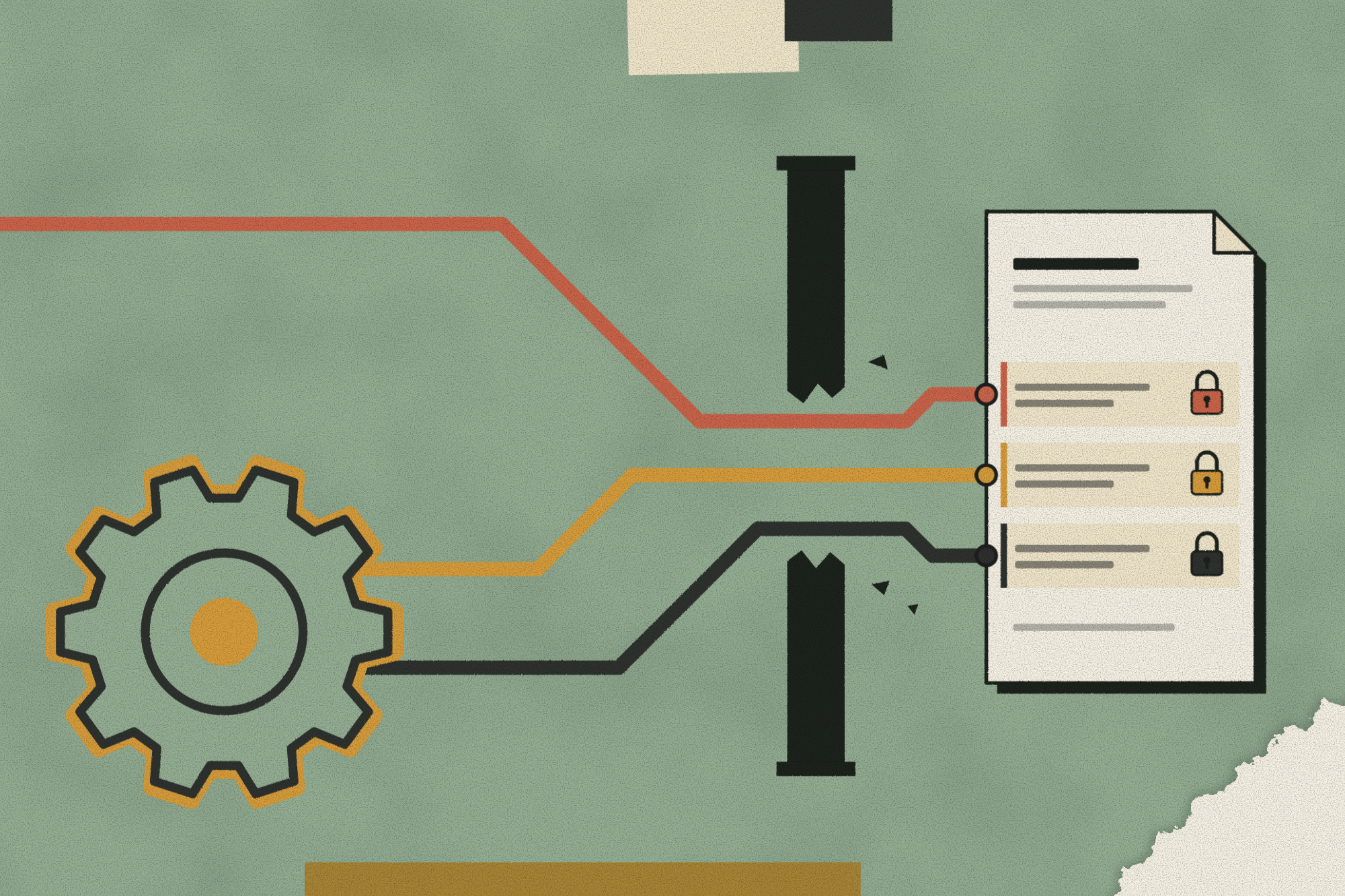
And so the protection has to be bound to the data itself.
Get past the network and the application, and in many cases you can read all the data. Encrypt the data itself, and whoever takes it gets only ciphertext.
And the time available to correct a bad assumption keeps shrinking
No CISO believes they will be breached next week. That expectation is exactly the miscalculation.
Hard calls are made before the incident, not while enduring the consequences.
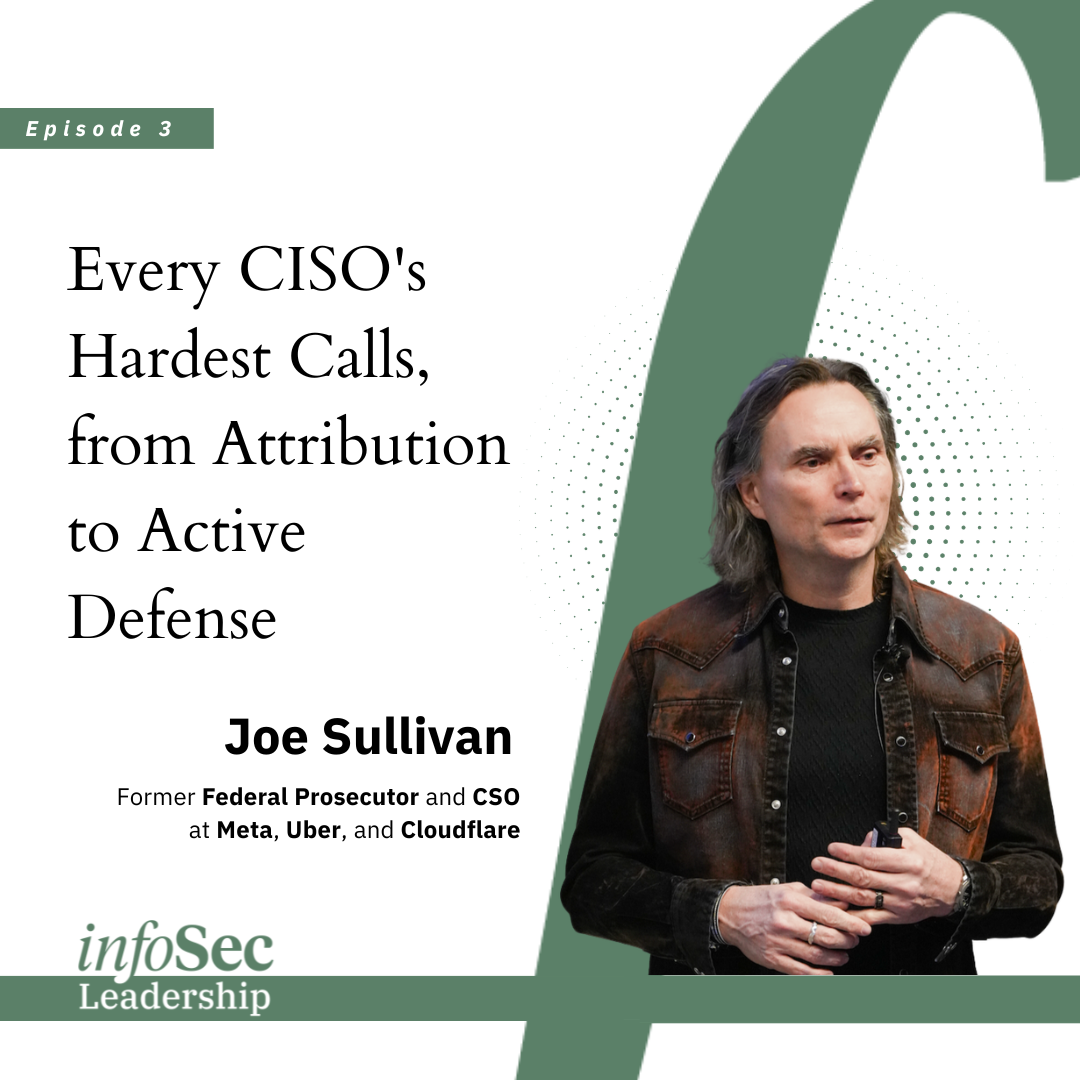
A former cybercrime prosecutor turned Big Tech CSO on attribution, how far a company can legally push back, and the exposure leaders now carry
Fifty-two percent of CISOs name trust as the barrier to automating remediation. Budget ranks fifth. What that gap describes is a legal vacuum.
AI is not creating novel cyberattacks. It is changing the economics of them.